
I mentioned in an earlier post about our role supporting people to have ‘difficult conversations’, to acknowledge challenges, and injustices, and to look them straight in the eye. I also said that sometimes we sneak up on a problem and try to take it by surprise, using different approaches to try to find a resolution, which probably sounded a bit weird. So, this is my attempt to explain.
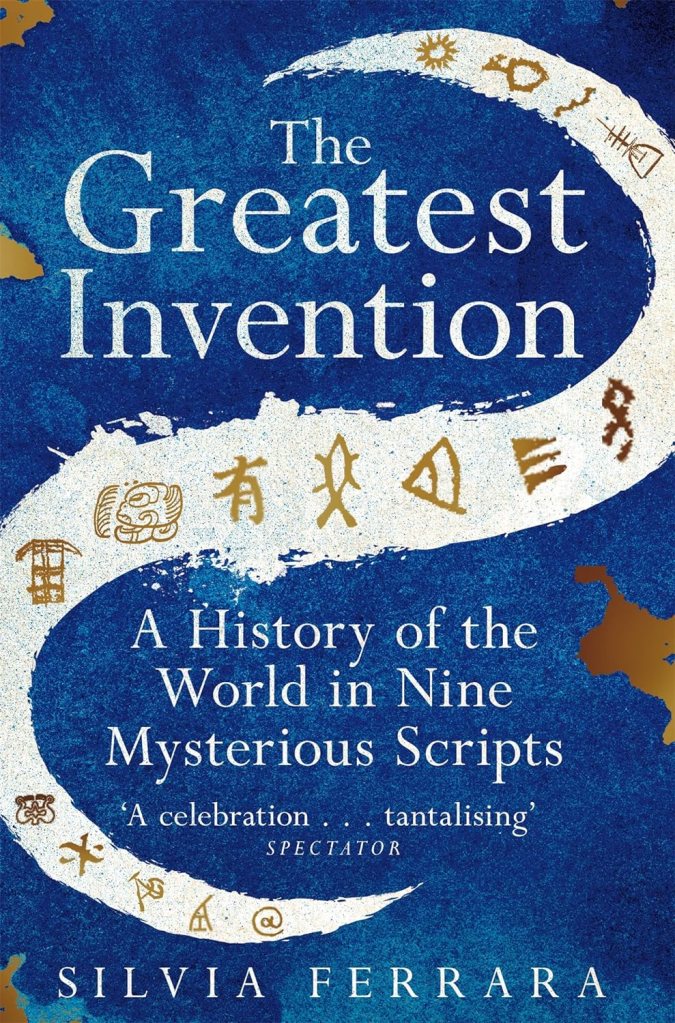
I’ve also been prompted to think about hosting to ‘solve the unsolvable’, by a book I’ve read recently about ancient / old scripts which we still haven’t deciphered / been able to read, which seems unbelievable but is true. In my mind, these scripts are, I think, like other seemingly ‘intractable problems’ that perhaps you’ve tried to solve before, perhaps many people have tried – and are trying – to solve, perhaps they’ve been put in the ‘too hard’ box, perhaps you’re waiting for ‘someone else’ to solve them.
By way of a bit of a thought experiment, I thought I’d think about how I’d host a conversation with experts who had been trying, but had so far failed, to decipher ancient scripts – to, in effect, ‘decipher the (seemingly) undecipherable’. Think of this as a bit of a ‘safe’ way of hypothesising about how we might host something on a ‘BIG issue’ like peace, or poverty, climate change or community cohesion – but could also be a ‘BIG issue’ for you, or your team or organisation, like addressing exclusion or poor performance or your place in the world. I really believe that bringing people together in a way that forges new connections, encourages collective imagination, and challenges our assumptions and established thought patterns, can absolutely lead to a breakthrough, whether that’s reading the Voynich manuscript or creating a thriving community library.
One tool in our box is the TRIZ exercise, and I’d definitely use this in my imagined scenario. A TRIZ exercise is set up to turn a problem on its head. So if you’re trying to decipher a manuscript, you ask how you would create a script that, in a 500 years’ time no-one would be able to read. But it works in other settings and scenarios too, like how would you design a service so that Black women had the worst maternal health outcomes (which we know they do), or how to ensure that homeless people die decades earlier than other people (also sadly true) or how to deliberately destroy the ecosystem we depend on (as we humans seem on course to do). Once you’ve come up with all of the ways you’d describe your (terrible) service / process / set up / script, you then review and take stock, asking “do we actually do any of these things?” For some of these, the answer will be a definitive ‘no’, but the real work starts in acknowledging, and then working to address, the (potentially terrible) things that are happening. This approach invites a different perspective.
I think I’d also want to explore connections between different disciplines, which is something we often do with our events – bringing ‘the professionals’ together with ‘people with lived experience’, and bringing together people from different sectors and with different types of expertise. One of the things we know we can all do better at is listening. Really listening. Listening to understand, to absorb, not to respond, not to interject, just to really focus on what the other person is saying. We have a couple of different tools we can use to help people to really listen to each other. Maybe this would crack the code – it has certainly changed people’s minds.
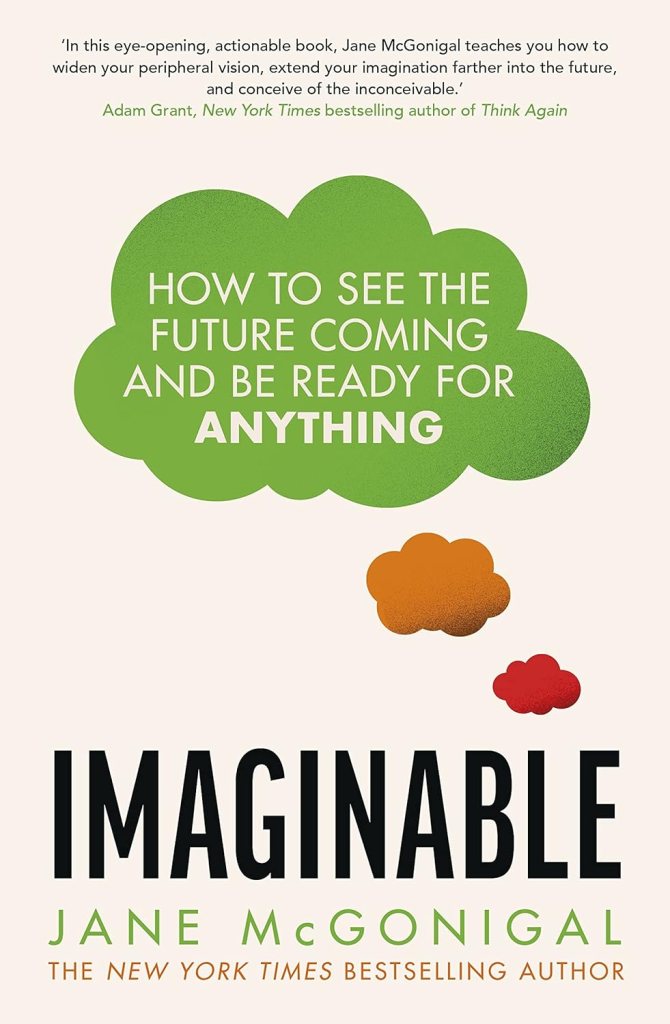
And, inspired by another book (I am a ‘book monster’ and read A LOT), after a few warm up exercises, I’d take participants through a ‘collective imagination’ exercise. I’d guide them through imagining unlocking the code, what would this feel like, who would be in the room, what would the process have been, feeling the desired outcome with all our senses and exploring emotions, thoughts, surprises. This would hopefully help to show ‘who’s not in the room’, and what connections and opportunities might have been missed, a critical question at all events, and as part of all projects.
Do you have an ancient manuscript to read, a code to crack, a difficult conversation you want or need to have, an ‘impossible problem’ to solve? Let’s discuss how we could work together – drop us a line at hello@allaboutpeople.org.uk
Sarah Marsay, July 2024
 All About People
Leave a comment